Exploring Innovations in Military Aircraft and Aviation Trends
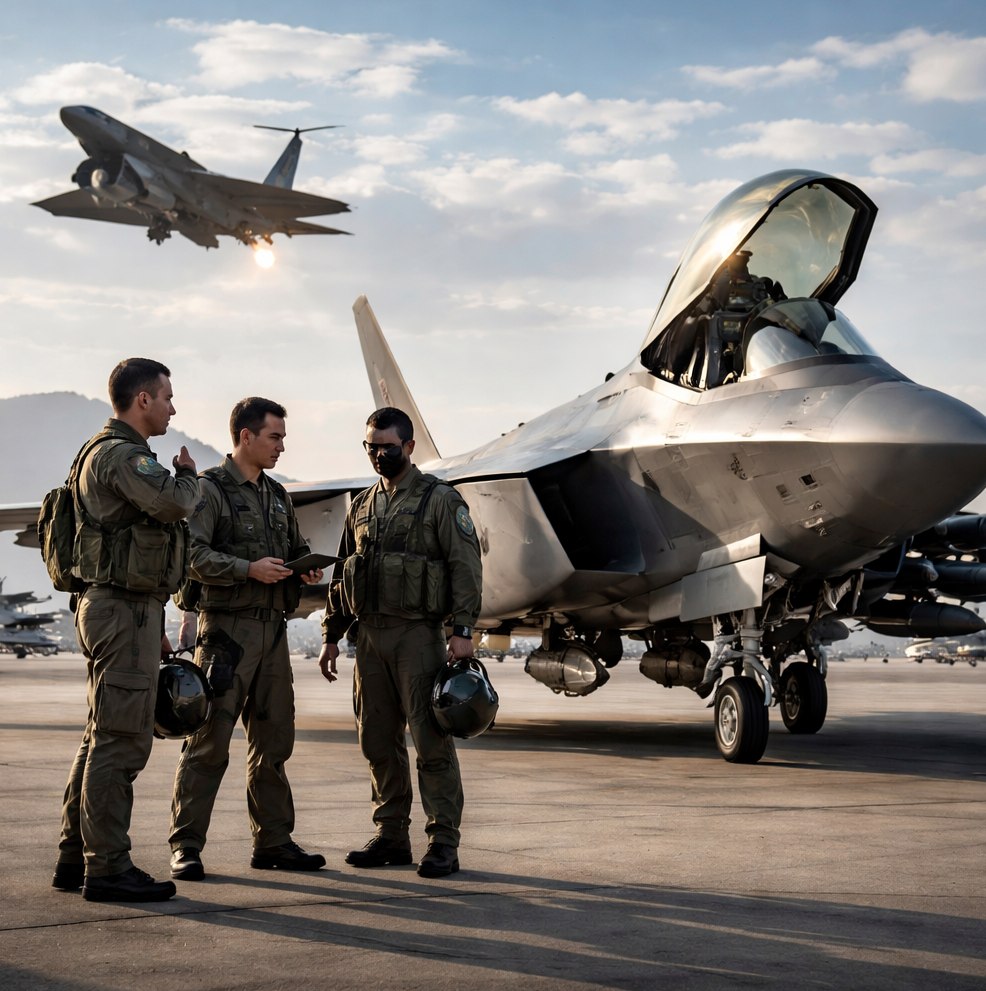
Military aircraft have always been at the forefront of technological innovation, driving advancements that often filter down to the civilian sector. The modern landscape of aviation is experiencing profound changes due to the integration of cutting-edge technology and strategic adaptations.
Stealth technology continues to be a significant area of focus for military aircraft designers. Despite being around for several decades, advances in radar-absorbing materials and design techniques are enhancing the stealth capabilities of new aircraft. Developments in this area are ensuring that military forces can operate with greater confidence in hostile environments.
Another major trend is the use of unmanned aerial vehicles (UAVs) in military operations. UAVs, or drones, have transformed from simple reconnaissance tools to versatile platforms capable of executing complex missions. They offer a lower-risk alternative for operations in hostile territories, providing intelligence, surveillance, and targeted strikes without endangering pilots. This shift is reshaping military strategies and operational planning.
Advanced engine technology is propelling military aviation into a new era. Innovations in propulsion systems, including the development of hypersonic engines, are paving the way for aircraft that can outpace current speed and range limitations. These engines promise not only swifter travel but also the ability to reach altitudes and areas previously inaccessible. Such capabilities are critical as tactical requirements evolve.
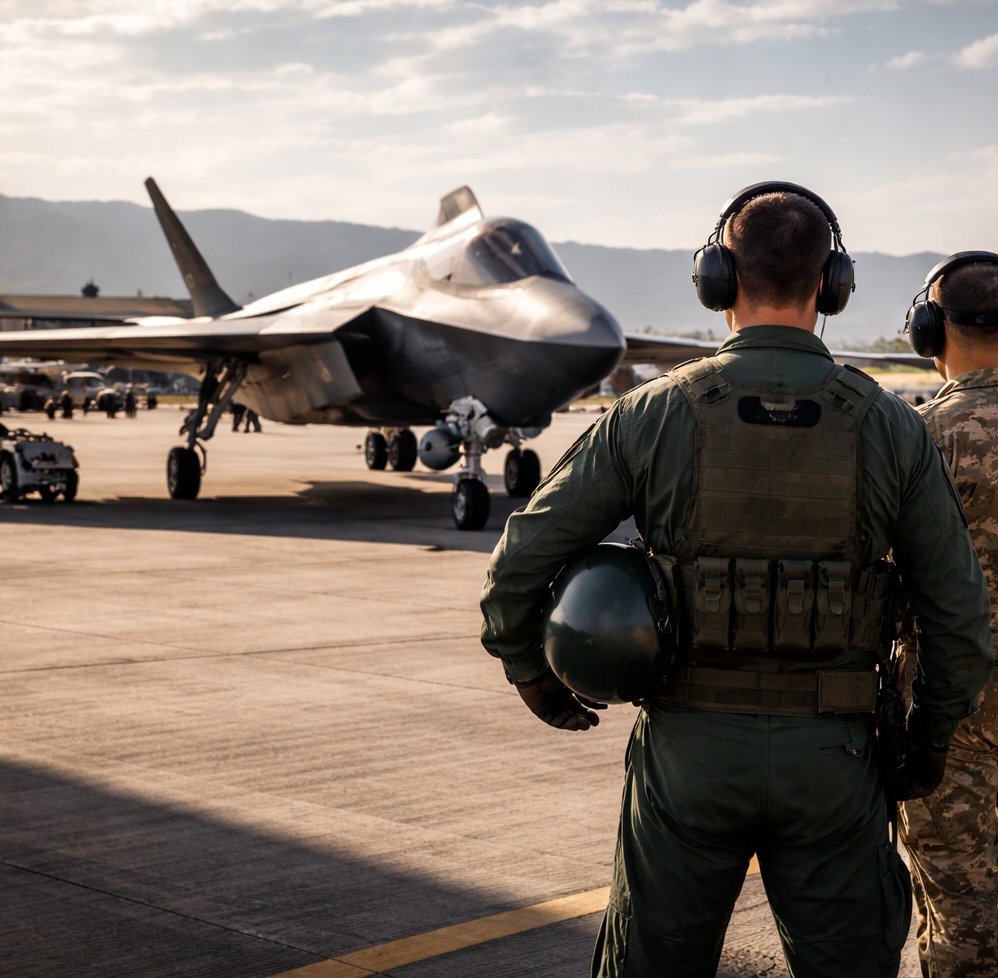
The integration of artificial intelligence (AI) into military aircraft is another exciting development. AI systems are enhancing pilot decision-making processes by managing complex data and automating certain tasks. This technology aids in threat assessment, flight management, and weapon systems control. By reducing pilot workload, AI enables a higher focus on mission-critical decisions.
Furthermore, innovations are not limited solely to aircraft but extend to integrated defense systems. Aircraft are now part of a broader digital ecosystem that includes satellites, ground stations, and naval platforms. This interconnected network facilitates real-time data sharing, improving situational awareness and response coordination. Such systems are vital in modern combat scenarios where information is as crucial as firepower.
Looking at trends, the focus on sustainability and environmental impact is gaining momentum. Military aviation is exploring alternative fuels and more efficient technologies to reduce carbon footprints without compromising performance. This shift is part of a larger effort across the defense industry to acknowledge and address environmental concerns.
Simultaneously, the development of multi-role aircraft is a growing trend. These platforms go beyond traditional roles to perform a diverse range of missions, from air superiority and ground attack to reconnaissance and electronic warfare. Multi-role capabilities provide operational flexibility and cost efficiency, essential in the face of shrinking defense budgets.
On the horizon, the notion of swarm technology is particularly intriguing. Swarm drones, capable of operating collaboratively in large numbers, offer new tactical possibilities. They can overwhelm enemy defenses with sheer numbers, execute complex maneuvers, and conduct surveillance over expansive territories. This represents a fundamental shift in how aerial combat and defense might be conducted in the future.
Ultimately, the innovations and trends in military aviation reflect a strategic shift towards agility, efficacy, and sustainability. As technologies evolve, so does the doctrine of air warfare, merging traditional principles with modern capabilities. This intersection of technology and strategy is reshaping the future of military aviation, paving the way for exciting developments that will define air combat in the coming decades.