How Our Veils Are Made: Behind the Seams?
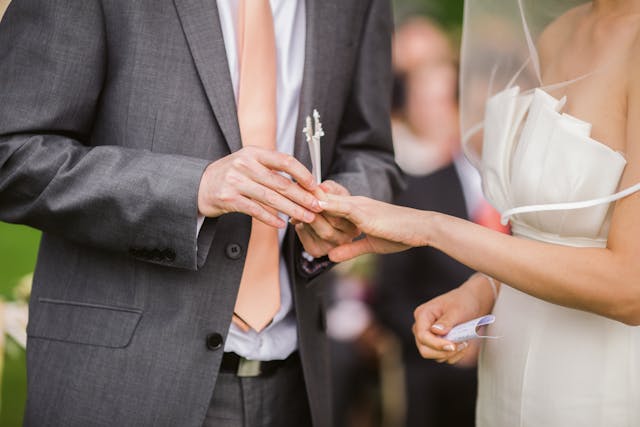
Every bridal veil tells a story long before it graces the aisle. Behind its ethereal beauty lies a meticulous process of craftsmanship, patience, and passion. Each stitch, cut, and drape contributes to the veil’s elegance, turning a simple piece of tulle into a poetic extension of a bride’s dream. Creating a veil is not merely a production task—it’s an art form that requires skill and sensitivity. From the first sketch to the final trim, the making of a veil embodies a perfect balance between tradition and modern artistry.
 The journey begins with inspiration—often from timeless French couture, vintage lacework, and the natural grace of fabrics in motion. Designers imagine how a veil will complement different silhouettes, necklines, and hairstyles. Once the concept is set, artisans source the finest materials: soft tulle, Chantilly lace, silk trims, and delicate embroidery threads. These elements are chosen not only for their beauty but for their movement and lightness. Each veil aims to feel like air itself—present yet weightless. The craftsmanship behind these pieces is what makes them truly exceptional, and few ateliers capture this spirit as beautifully as the french wedding veil, where each creation reflects centuries of artisanal savoir-faire and contemporary refinement.
After selecting the fabrics, the cutting process begins. This stage requires precision and a deep understanding of proportion. The shape of the veil—whether cathedral, fingertip, or birdcage—defines the bride’s overall aura. A single mistake in measurement can alter the way the fabric flows or frames the face. Artisans carefully trace the outlines, ensuring the edges fall gracefully with every movement. Every veil is individually cut by hand, guaranteeing its uniqueness. No two pieces are ever truly identical, and that’s what gives them soul and authenticity.
Next comes the embellishment stage—the true signature of the artisan. Depending on the design, this can involve hand-sewing pearls, crystals, or lace appliqués. This part of the process can take hours or even days, as the embellishments must be perfectly symmetrical and seamlessly integrated into the fabric. It’s not about quantity but harmony. The detailing defines the personality of the veil: romantic with floral lace, minimalist with clean edges, or royal with shimmering embroidery. In high-end workshops, magnifying lamps and ultra-fine needles are used to ensure the precision of every thread. Patience becomes the most valuable tool in the artisan’s hands.
The attachment point, often overlooked, plays a crucial role in the final effect. Whether fixed on a comb, a headband, or delicate pins, it must ensure comfort while maintaining stability. The position of the attachment can also change how the veil falls: higher placements create volume, while lower ones evoke subtlety and grace. Comfort and structure must coexist flawlessly so that the bride feels both elegant and free. Some veils even integrate hidden reinforcements or transparent stitching to enhance support without compromising fluidity.
Before a veil leaves the atelier, it undergoes rigorous inspection. The artisans stretch it gently over large tables, checking for any uneven thread, tiny snags, or tension marks. The edges are steamed, hand-pressed, and carefully folded in acid-free tissue paper. Every piece is treated as a one-of-a-kind creation, because it will accompany one of the most memorable moments of a lifetime. The finishing touches embody the devotion to perfection that defines true couture craftsmanship. Even the packaging—often featuring linen boxes and custom wrapping—is designed to protect the delicate fabric until the wedding day.
Modern bridal couture often combines innovation with tradition. Many contemporary veils are now designed to be modular, allowing brides to detach layers for different parts of their celebration. Some choose long cathedral veils for the ceremony and shorter styles for the reception. Artisans now explore sustainable practices as well, opting for eco-certified silks or recycled tulle. Luxury and responsibility can go hand in hand, especially when beauty is built to last and made with respect for the environment. This blend of tradition and conscious creation ensures that the art of veil-making continues to evolve without losing its poetic essence.
Designers also draw inspiration from emotions and personal stories. Many veils incorporate subtle symbolic details—a discreet heart stitched inside, a pattern inspired by a family heirloom, or initials embroidered along the edge. These gestures make the piece profoundly personal. Every veil carries a whisper of its wearer’s individuality. It’s not just a fashion accessory but a companion for one of life’s most meaningful steps. This emotional layer is what transforms fabric into legacy.
Beyond the visible craftsmanship, there’s an invisible language shared between artisan and bride. When a piece is handcrafted, it carries the imprint of human touch—the slight irregularity that makes it alive. That’s what distinguishes bespoke creations from factory-made products. There’s poetry in imperfection when it’s guided by intention. The artisan’s rhythm, the gentle hum of a sewing machine, the silence between each stitch—these elements contribute to the aura that surrounds a handcrafted veil. It’s a kind of quiet luxury that only time and care can produce.
Ultimately, the making of a bridal veil is a celebration of patience, artistry, and devotion. Each step, from design to final packaging, echoes the timeless ritual of preparing for love’s grand ceremony. When a bride places her veil for the first time, she’s not just wearing fabric—she’s embodying a story woven with care and emotion. The result is more than a garment; it’s a symbol of craftsmanship, elegance, and sentiment. And that’s the magic hidden behind the seams—an intimate secret shared between those who make and those who wear, carried softly down the aisle in a breath of tulle and grace.